






Two shades darker is a symptom, not a diagnosis. On plated S925 jewelry it has three possible causes: a photo taken under warm or unbalanced light, tarnish — a removable surface film silver forms in sulfur-rich air — or a genuine plating-color deviation, where the plating bath batch or the deposit thickness used for the bulk run drifted from the batch that plated your approved golden sample. Only the third one is a claim. You can settle it in twenty minutes at the receiving bench: photograph the bulk piece and the sealed golden sample side by side in one frame under daylight-balanced light, wipe one sacrificial piece to see whether the darkness comes off, and compare what survives cleaning against the shade tolerance written into your PO. Clean nothing before you document. If the difference is uniform across sampled pieces and survives the wipe, it is a plating claim.
Is It Lighting, Tarnish, or the Plating Bath?
The same complaint describes three different problems, and they have different remedies.
- Lighting and camera behavior. Warm bulbs, mixed light sources, and a phone’s auto white balance can push a gold-plated surface several shades warmer or darker in the photo than it looks in person. The metal is fine; the file is not.
- Tarnish. Sterling silver reacts with sulfur in air, sweat, and some packing materials, forming a yellow-to-brown-to-black film. It sits on top of the plating and can usually be wiped off. It is a care, storage, or packing issue rather than a color claim.
- Plating drift. The bulk run was plated in a different bath batch, or to a different deposit thickness, than the golden sample you approved. The color difference is in the metal deposit itself, it is uniform across the surface, and it does not come off. This is the version that supports a claim.
A note on where most reference material comes from: the publicly available color-difference guidance online — grey-scale ratings, D65 and TL84 light boxes, CIELAB delta-E math — was largely written for textile lots, where color is dyed into fiber. Plated S925 behaves differently: the gold tone is a thin electrodeposited layer whose shade depends on which bath batch ran and how thick the deposit landed. That difference changes what evidence matters. A fabric buyer compares swatches; a jewelry buyer compares a sealed sample against a metal deposit and needs a plating-specific claim process.
What Does a Camera Do to a Plated Silver Photo?
Polished gold plate is one of the hardest surfaces to photograph honestly. It is mirror-like, so the camera records reflections of the room as much as the metal itself. Curved surfaces — ring shanks, bezels, the outside of a tennis-chain link — pull light from a wide range of angles at once, so a warm lamp on one side of the bench tints the whole piece. Indoor bulbs around 2700–3000K push yellow gold warmer and deeper, and the phone’s auto white balance can overcorrect. Two photos of the same ring under different light can differ by more than the tolerance in dispute.
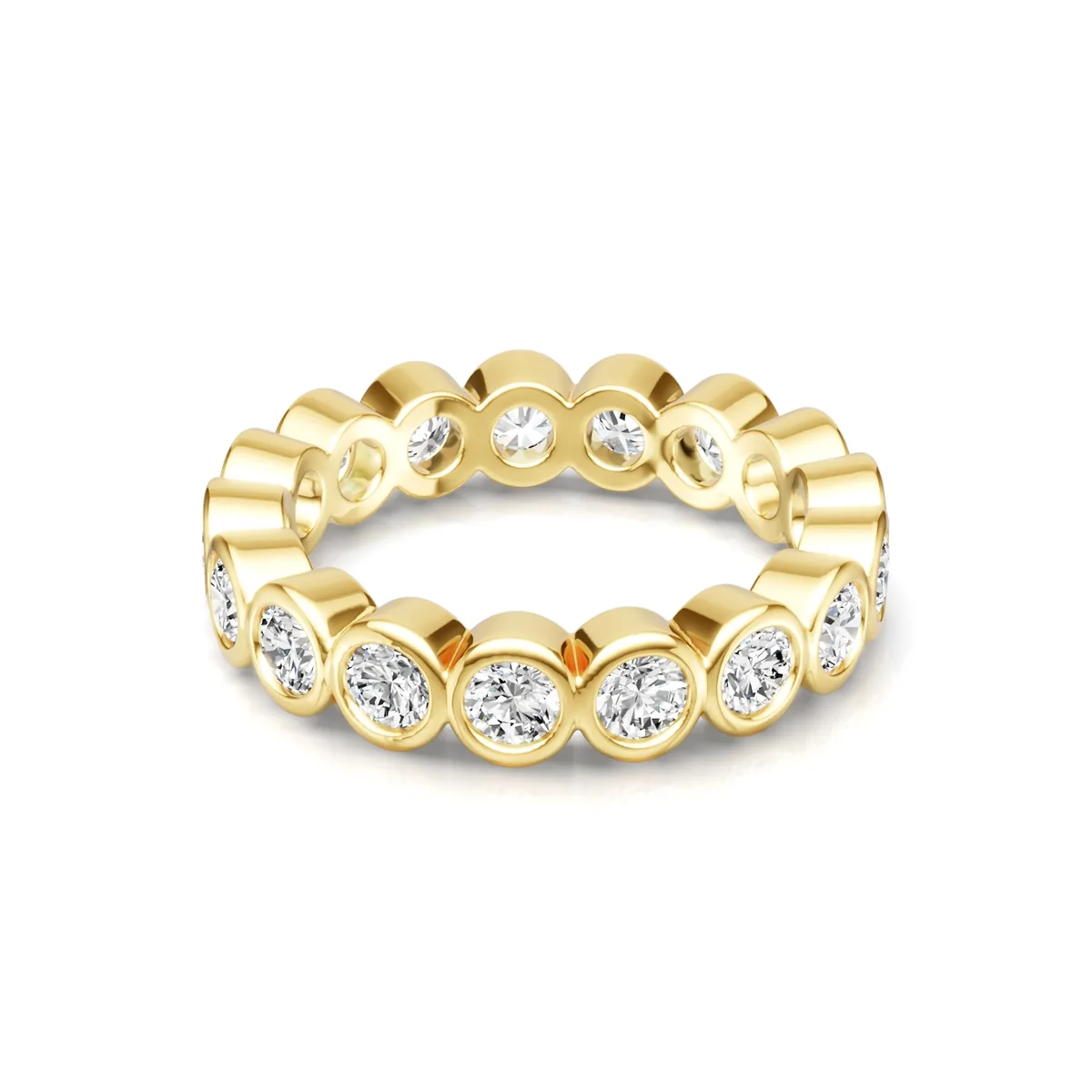
This is why a single photo of the bulk never settles anything, and why a production video — the kind our factory films before the balance payment, as explained in what an S925 factory should film before the balance payment — still cannot settle shade by itself. Compression, camera profile, and workshop lighting leave room for doubt. The only comparison that works is physical: bulk piece and sealed golden sample, side by side, one frame, same light, white card in shot.
Tarnish or Plating? The Wipe Test Decides
Tarnish and a darker plating shade can look similar in a photo and behave completely differently on the bench.
- Tarnish is a surface film. It shows first where air, sweat, or condensed moisture reach the metal: crevices, the back of a pendant, the inside of a shank, the bottom of a storage bag. A silver polishing cloth removes it, and the plating underneath matches the sample.
- A plating shade difference is in the deposit. Every polished flat and every curve shows the same offset hue, including freshly exposed edges, and no cloth changes it.
If the darkness appeared within days of arrival and shows a pattern — heavier in the bag’s low points, patchy, wipeable — suspect packing moisture or surface contamination before you suspect the plating bath. Humid sea containers are a known cause, which is why desiccant and barrier bags matter; our separate guide covers packing sterling silver for a humid sea container and arrival humidity targets. Run the wipe test on one sacrificial bulk piece — never on the sealed golden sample.
Why Does Bulk Gold Color Drift From the Approved Sample?
Gold color on plated silver is not ink applied to a surface; it is metal grown onto the surface in a plating bath. Two variables set the final tone:
- The bath batch. A bath’s condition — metal concentration, alloy balance, additives, age, contamination — shifts between makeup cycles and batches. The same 18K formulation can land measurably different hues in a freshly made-up bath and a mature one.
- Deposit thickness. Thickness follows current density and dwell time: edges and outside corners plate thicker, recesses and the inside of a shank thinner. Because hue shifts with thickness, a run that moved faster or slower through the bath, or was racked differently, can come out deeper or lighter than the sample — even out of the same bath.
This is not a defect in itself; it is the physics of electrodeposition. What protects you is agreeing, before bulk production, how much drift is acceptable and who arbitrates. The arbiter is the sealed golden sample: the approved pre-production piece, dated, initialled, kept uncleaned by both sides — our guide explains what a silver pre-production sample must prove before you approve it. The tolerance can be a named shade reference or a numeric delta-E band computed from CIELAB coordinates as defined in CIE 15:2018 — see cie.co.at. Write it into the PO, not into the dispute.
How Do You Test It at the Receiving Bench in Twenty Minutes?
Run this before you reply to the factory, and before anyone cleans or wears a piece:
- Photograph first. One frame containing the bulk piece and the sealed golden sample side by side, under a daylight-balanced lamp (5000–6500K) or overcast daylight, against a white or grey background, with a white card in frame. Same exposure for both, then macro shots of each.
- Sample across cartons. Pull ten to twenty pieces from different cartons, not one box top. Count how many deviate and by how much — the AQL-style count a claim needs.
- Wipe one sacrificial piece. Silver polishing cloth, ten strokes. If the color comes back to sample, the problem was tarnish or residue, not the plating batch.
- Re-photograph after the wipe. If the two-shade difference survives cleaning and is uniform across every sampled piece, you are looking at plating drift.
- Record everything in one continuous video. Carton labels, the sample seal, the side-by-side, the wipe. Video plus the one-frame photos is the evidence pack; bronze showing through plated S925 — the receiving test, the PO clause, and who pays shows how the same pack supports a cost allocation.
If your pieces are vermeil, there is a published floor worth quoting: under the FTC’s jewelry guides, vermeil requires sterling silver coated with gold of at least 10-karat fineness and a minimum thickness of 2.5 microns (16 CFR §23.4, full text at Cornell LII). We build to that floor as published on our gold vermeil and recycled silver page: 18K gold vermeil at ≥2.5µm over recycled 925 silver.
When Is It a Claim — and What Evidence Holds Up?
It is a claim when three things are true: the hue difference is uniform across sampled pieces, it survives the wipe test, and the sealed golden sample matches the shade spec in the PO. It is not a claim when the difference only appears in your studio photos, disappears in a side-by-side, or wipes off.
The pack that gets a fast answer:
- The one-frame side-by-side photos and the continuous video.
- The sealed golden sample, uncleaned, labeled with the approval date and PO number.
- The plating spec line from the PO: color reference, karat, thickness — for vermeil, the 2.5µm floor.
- Defect counts: pieces sampled, pieces deviating, cartons covered.
- Batch or carton codes, so the factory can trace the plating batch.
Raise it while the shipment is still inside the PO’s inspection window. If you pay a 30% deposit and 70% balance — our standard structure — a dispute raised before the balance settles has the most room for re-plating, replacement, or credit rather than a refund argument. A shade the factory’s final AQL 2.5 inspection passed is still discussable: AQL sampling accepts a defect rate, it does not certify hue. That is exactly why a two-gate plan exists — see pre-plating vs post-plating inspection for S925.
How Does Amara Lock Plating Shade Before Bulk?
Our published process assumes this dispute and front-loads the controls. We have manufactured S925 silver moissanite jewelry in Shenzhen since 2010, with 18K gold vermeil plated at ≥2.5µm over recycled 925 silver — nickel-free, with 12-month anti-tarnish plating. Pre- and post-plating inspection gates run before and after the bath; the final AQL 2.5 inspection adds 100% claw check and pull testing; the plant works under ISO 9001 with SGS on-site audits. Samples come out in 7–10 days and first bulk in 15–25 days — room to ask one more question at approval: whether the golden sample and the bulk run will plate in the same bath window. Approving a sample photographed under studio light is never enough — approve the physical seal, under daylight-balanced light.
FAQ: Golden Sample vs. Bulk Shade Questions
Is any shade difference between the golden sample and the bulk normal?
Some variation is inherent to electroplating — bath condition and deposit thickness are never perfectly identical between runs. Acceptability depends entirely on the tolerance agreed before production. Bulk inside the agreed band, judged side by side with the seal under daylight-balanced light, is conforming even if it photographs differently in your studio.
What delta-E limit should I write into the PO?
There is no single industry-wide number for plated jewelry. Buyers who quantify use a CIELAB delta-E per CIE 15:2018 and set the limit commercially with the factory. Buyers who do not quantify should name the sealed golden sample as the sole arbiter and require side-by-side comparison under daylight-balanced light. Either way, the tolerance belongs in the PO — a number agreed after arrival is just an argument.
Can tarnish be mistaken for a plating claim?
Constantly, and the wipe test settles it in minutes. Tarnish wipes off; plating hue does not. Our plating is specified with 12-month anti-tarnish coverage, so tarnish arriving within days usually points to storage or packing moisture rather than the bath — check how the cartons were stored.
I already cleaned the pieces. Can I still claim?
Cleaning destroys the tarnish evidence but does not change the plating hue. If a uniform shade difference remains after cleaning — the same offset on every sampled piece, flats and curves alike — the plating-drift evidence is intact. What you have lost is the ability to prove the tarnish alternative; a plating claim itself is still provable with the side-by-side against the seal.
Does the 12-month color-fastness warranty cover a darker bulk run?
They are different questions. A bulk run that does not match the approved seal is a conformance issue at receiving, handled under the PO’s inspection and claim terms — that is what the receiving-bench test and the evidence pack are for. The 12-month color-fastness warranty we publish covers color staying put after delivery — fading or discoloration in the months after the goods ship. Do not let a receiving dispute drift into the warranty conversation.
Who keeps the golden sample?
Both parties should hold seals of the same approval. Keep yours uncleaned, bagged, and labeled with the PO number and approval date, and ask the factory to counter-seal against the same batch and retain it through the warranty period. If a dispute arrives, the comparison happens between the two seals — not between your seal and the factory’s memory.