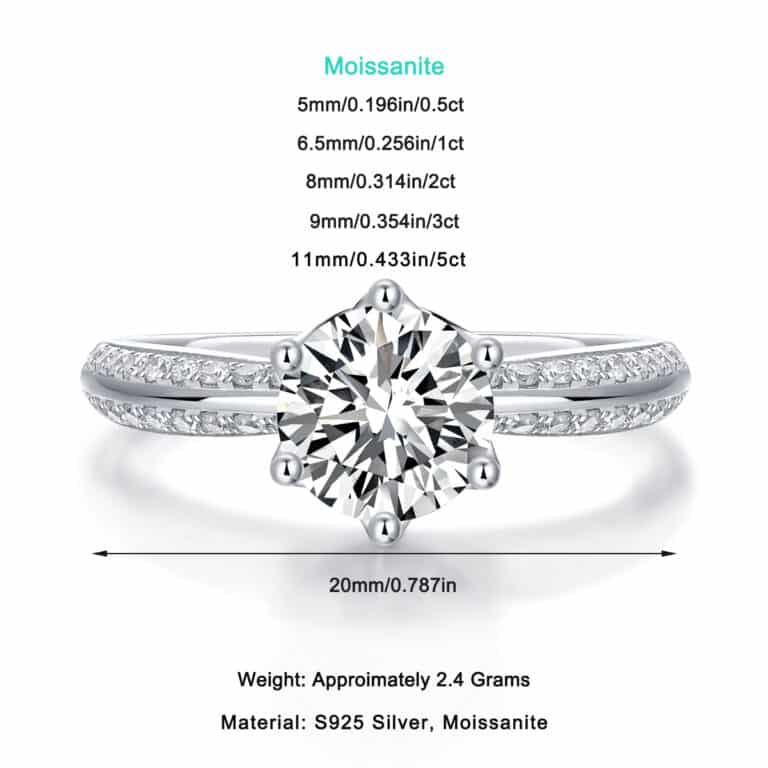








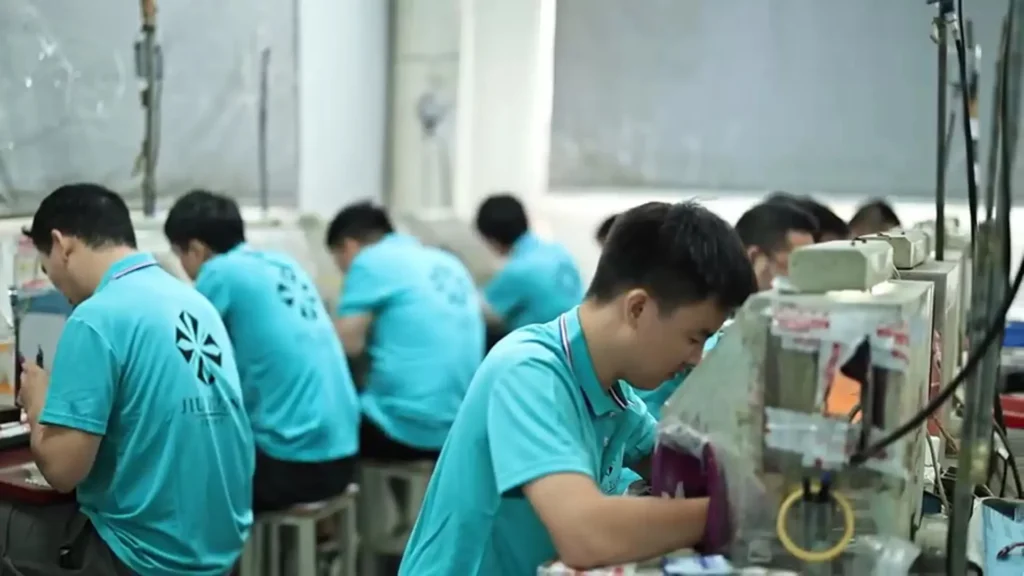
Un programa de joyería de marca propia se factura normalmente como una mezcla de tres líneas: un fee de setup único por estilo que cubre el trabajo CAD, el corte del molde y la primera muestra; un precio por unidad por cada pieza producida; y ocasionales cargos trasladados por envío, como flete, ensayos o certificados reemitidos. La línea de setup es donde empiezan las disputas. La regla justa es simple, y es el término que la mayoría de presupuestos omiten: el setup se cobra una vez, cuando se crea un estilo, y nunca otra vez en un repedido que no cambia el diseño. Hacerlo real exige dos cláusulas escritas: una definición de pedido repetido y una condición de almacenamiento y acceso del molde. Esta guía le da el texto de ambas, con nuestras propias condiciones publicadas como ejemplo resuelto.
¿Cómo se factura normalmente un programa de joyería de marca propia?
Three billing models circulate, and which one you get depends on whether your design needs a mold that does not exist yet:
- Per-unit only. Design, mold, sample, and packing fold into one price per piece — normal for stock designs, since the mold already exists, and the least transparent: a double-charge cannot be proven from the invoice.
- Per-style setup only. A flat fee with no per-unit component. You will almost never see it in jewelry: the supplier still buys silver and stones for every order.
- A mix, which is the normal case. One-time setup per new style, a per-unit price for production, and pass-throughs per shipment. Setup dominates the first order, unit price at scale, and on an unchanged reorder setup should disappear entirely.
What each line covers, and whether it returns:
| Billing line | Charged | What it covers | Recurs? |
|---|---|---|---|
| Setup / tooling | Once per new style | CAD file, mold cutting, first pre-production sample | No, not on an unchanged reorder |
| Per-unit production | Cada pedido | Silver, stones, labor, plating, logo, packing | Yes, for every piece |
| Pass-through | Per shipment | Freight, insurance, third-party testing, certificates | Only as incurred |
To tell which model you were quoted, search the quote for “setup,” “tooling,” or “mold.” If none appear, the cost sits inside the unit price — so ask two questions before signing: what does this design’s mold cost on its own, and will it be charged again on a repeat order?
¿Qué paga realmente un fee de setup por estilo?
A defensible setup fee covers three deliverables, each listed separately in the quote:
- The CAD file — the 3D model that fixes geometry, stone positions, and tolerances. You should receive it, or a written statement that it is stored for you and not reused.
- The mold — the physical tool that turns the CAD file into castable parts, and the reason a setup fee exists at all.
- One pre-production sample — the piece you approve before mass production. If it is billed as a separate line, ask whether it is credited later; the credit is where a fair supplier shows up.
Anything else on the setup line — photography, packaging design, extra rounds caused by your revision requests — should be priced separately, not blended in. As a published yardstick: Amara Jeweiry returns a quote within 12 hours of a signed NDA, delivers CAD in 48 hours, ships samples 7–10 days after CAD sign-off, keeps wax-stage revisions free, and credits the sample fee against the first bulk order. Those milestones are what a setup fee buys. A fee that maps to none of them is a mark-up.
¿Un repedido de un diseño sin cambios vuelve a pagar setup?
No — and this is the sentence most quotes never say. A reorder using the same CAD geometry and the same mold is a production order, not a development project: nothing new was designed, no tool was cut, and the sample was approved months ago.
Until it is written down, “no” is an assumption rather than a term. Quotes stay silent because silence is profitable in one direction, and memory is short on both sides: eighteen months later, a new account manager sees a mold fee line and treats it as normal. The fair formulation is that the setup fee attaches to the creation of a style, not to orders for it.
Our published terms are one worked example: molds and CAD files stay yours exclusively, are stored free for three years, are never reused for another customer, and repeat orders carry no tooling fee and run 10–15 days. A worse reorder clause elsewhere is a negotiating position, not an industry standard.
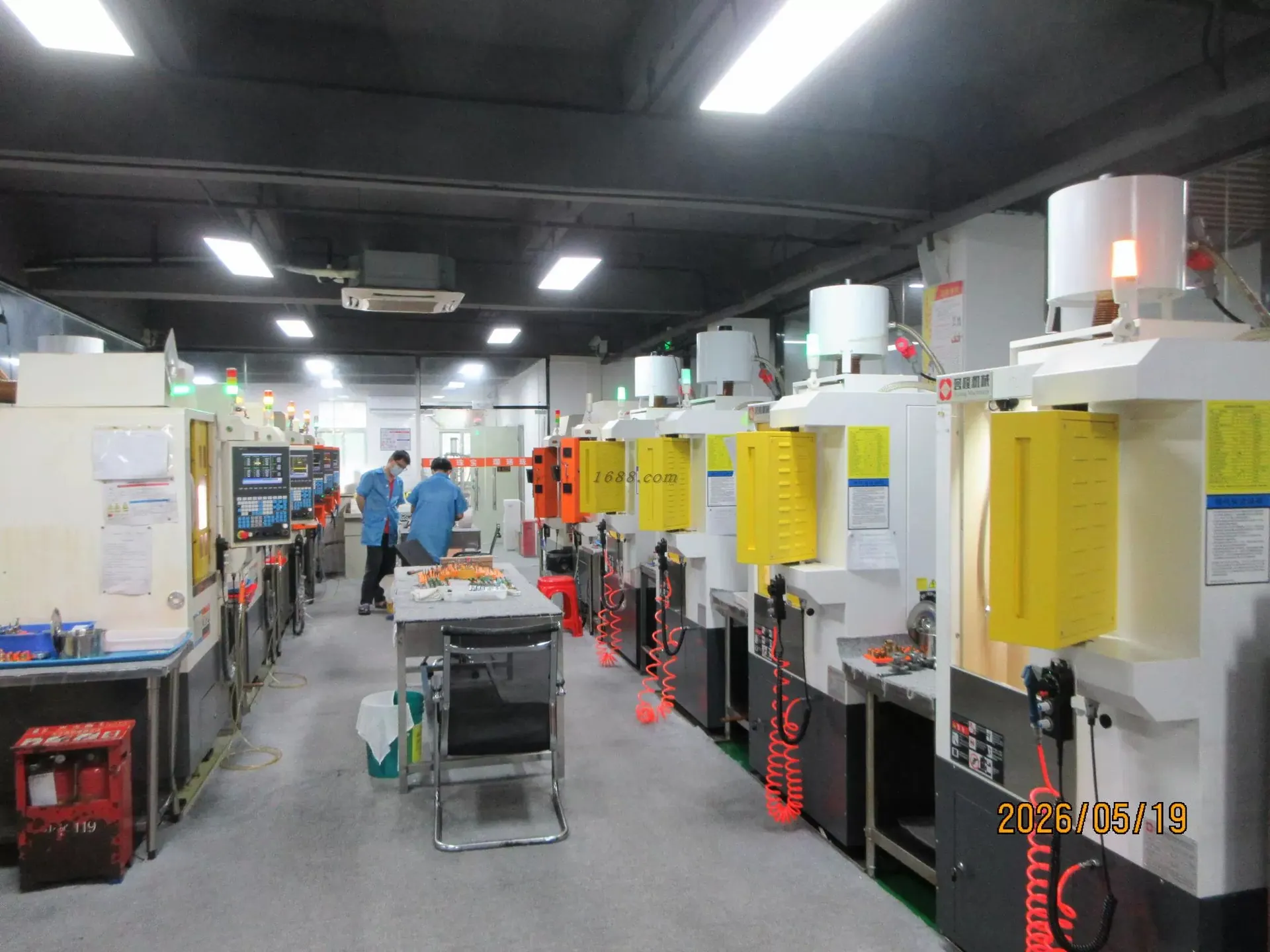
¿Qué cuenta como «nuevo estilo»?
The no-double-charging rule lives or dies on this definition, because “new style” is the fee trigger. Write the triggers into the contract instead of arguing later.
Changes that legitimately trigger a new setup
- CAD geometry changes that require a new mold — a reshaped shank, a different setting count, a new pendant outline.
- A change of base metal or alloy, which can require a different mold and casting setup.
- New dimensions the existing mold cannot produce, such as a band width or ring size outside the cut range.
- A stone layout that moves the settings — adding stones or repositioning a pattern.
Changes that should not trigger a new setup
- Logo and engraving changes. Your mark is applied after casting, by laser, to an inner band, clasp, or tag — a marking change, not a mold change.
- Packaging changes. OPP bags, barcode labels, and branded gift boxes are fulfillment, not tooling.
- Stone upgrades within approved dimensions. A better grade of the same size sits in the same seat: the unit price changes, the mold does not.
- Plating changes on existing geometry. Moving between rhodium and gold vermeil on the same shape is a finishing change — a new unit price, not a second setup.
¿Cómo escribe en el contrato la regla de no doble cobro?
Six clauses do the work; adapt the wording, keep the structure.
- Setup, once per style: “A setup fee of ___ per new style is payable once, covering CAD, mold cutting, and one pre-production sample. No setup, tooling, or mold fee is payable for any repeat order under this agreement.”
- Repeat order definition: “A repeat order is an order for a style whose CAD geometry, base metal, stone dimensions, and setting positions are unchanged from the most recently approved version. Logo engraving, packaging, and stone-grade upgrades within approved dimensions are not new styles.”
- Storage and exclusivity: “Supplier stores the molds and CAD files for the Buyer free of charge for 36 months from the last production date, will not use them for any other customer, and will supply photographs of stored molds on request.”
- Exit and release: decide now what happens if you move the design — molds released to you, destroyed with evidence, or retained without reuse. Silence here is the most expensive clause you never wrote.
- Credits: “Sample fees are credited against the Buyer’s first bulk order.” Ask even if it is not offered; our published terms credit sample fees.
- Customs documentation: “Tooling charges appear as a separate, dated line on the commercial invoice.” The next section explains why.
Then run the three-document test: the quote, the purchase order template, and the master agreement must carry the same setup number and the same repeat-order definition. When buyers get surprised, the clause was usually in the contract and missing from the PO — and the invoice followed the PO.
¿Existe un benchmark publicado de fees de setup específicos para plata?
No — and it is worth saying plainly, because it explains why sourcing threads on this topic go in circles. No standards body or trade association publishes setup rates for silver jewelry programs. The isolated figures that circulate online are usually design or render fees, and a render is not a mold: an image can be redone in an afternoon; a mold goes to the casting floor. Treating one as the other is how buyers overpay for design and underpay attention to the tooling clause.
What actually moves a silver setup quote: whether a stock mold can be used instead of cutting a new one — our published MOQ structure separates those paths, 30–50 pieces when customizing stock molds and 50–100 for full OEM/ODM — plus geometry complexity and the amount of stone work. Benchmark the structure, not the number. A fair fee is one-time, itemized into CAD, mold, and sample, non-recurring on unchanged reorders, and tied to a stated storage term. Failing any of those four tests, it is expensive however small it looks.
¿Cambian los fees de molde lo que paga al importar?
Sometimes, mostly depending on how the charge is documented. Under U.S. customs valuation law, an “assist” includes “tools, dies, molds, and similar items used in the production of the imported merchandise,” when supplied directly or indirectly by the buyer, free of charge or at reduced cost (19 U.S.C. § 1401a, subsection (h)(1)(A)(ii)). Tooling you fund for an overseas production run can therefore sit inside your import valuation, not just your sourcing budget.
The consequence is not to hide the tooling charge but to itemize it. Buried in the unit price, your customs broker has no separate number to classify and no date to attach. On its own dated invoice line, it is a clean fact pattern the broker can treat correctly — and the version that makes your no-repeat-setup clause auditable.
FAQ: Setup Fees, Molds, and Repeat Orders
Are sample fees refundable?
Rarely refundable, often creditable. Ask whether the sample fee is credited against your first bulk order; on our published terms, sample fees are credited and wax-stage revisions are free.
What payment terms are normal for a private-label silver program?
Thirty percent deposit to start production and seventy percent before shipment, by bank transfer, is the common structure in Shenzhen silver manufacturing, and it is what our terms use. Be wary of full prepayment on a first program — and of a supplier who asks for nothing up front.
Is the MOQ counted per design or per order?
Per order, if you negotiate it that way. Amara Jeweiry’s published MOQ of 30 pieces applies to the order total, not per SKU, with 30–50 pieces per design for stock-mold customization and 50–100 for full OEM/ODM. Per-SKU MOQs are the most common hidden cost in private label: they multiply across your assortment.
What happens when free mold storage runs out?
That depends on your contract, so put it there. Our policy stores molds and CAD files free for three years and never reuses them for another customer. A fair storage clause also answers whether the term resets after each order, and whether you can request photographs of the stored molds and a CAD file listing.
Do logo or packaging changes count as a new style?
No. Private-label marking — laser-engraved logos on an inner band, clasp, or tag, plus OPP bags with barcode labels and branded gift boxes — is applied after the piece is produced. It changes unit pricing and the packing workflow, not the tooling.
How Amara Jeweiry Handles Setup, Molds, and Reorders
Amara Jeweiry is a 925 silver moissanite manufacturer in Shenzhen’s Shuibei jewelry hub, running private-label programs since 2010 under NDA, with GRA and CMA certified stones, ISO 9001 processes, and REACH and CPSIA compliance. Our published billing structure is the one above: molds and CAD stay exclusive to you and are stored free for three years; reorders of an unchanged design carry no tooling fee and run 10–15 days; samples ship in 7–10 days and are credited against the first bulk order; production runs 15–25 days at AQL 2.5.
If you are comparing suppliers, ask every one of them the same question: will your contract state that setup is charged once and never again on an unchanged reorder? The suppliers who answer in writing are the ones you can scale with. You can review our custom OEM/ODM process, la programa mayorista terms, the full FAQ, and our certificados — or send your design files for a quote within 12 hours.